A positive project for Europe, a new chapter for the social economy
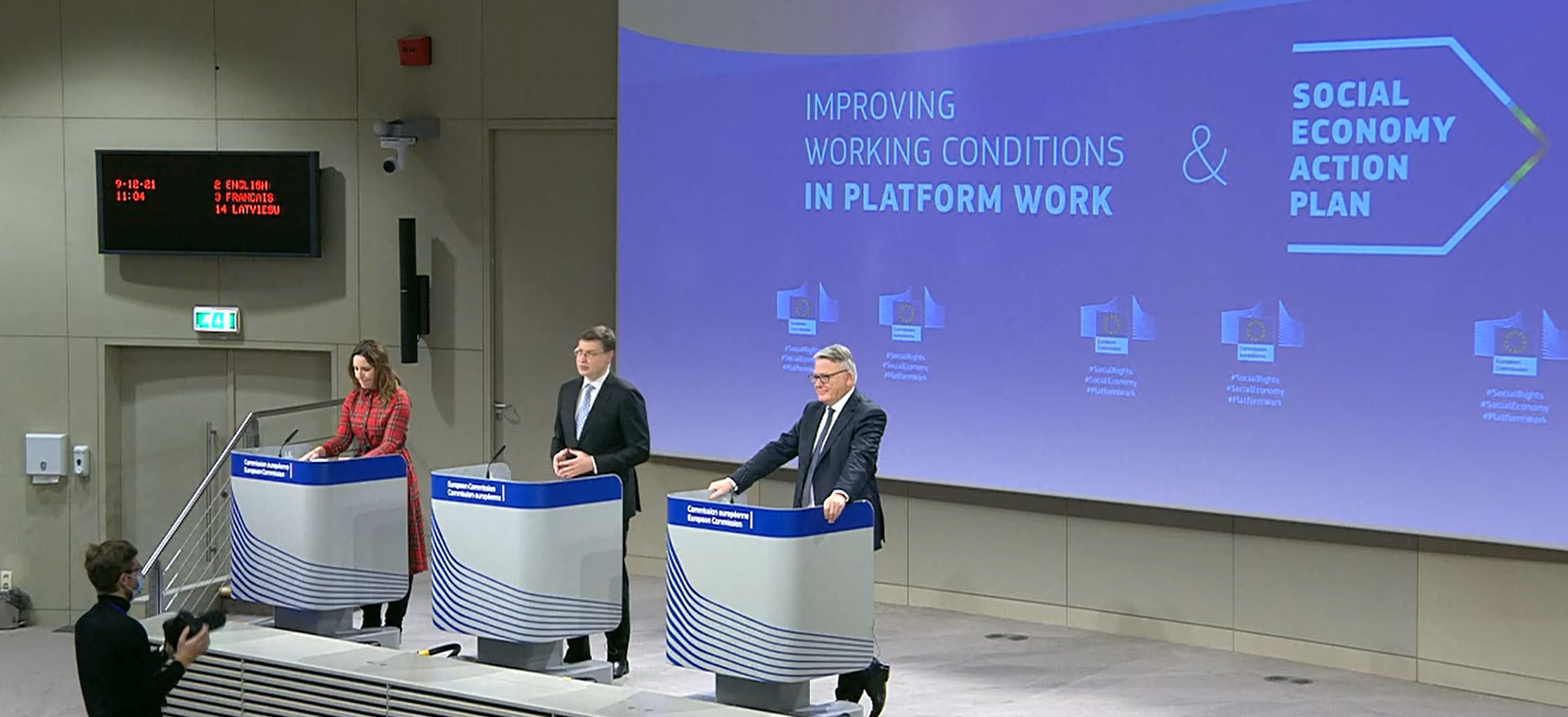
On 8th of December, the Executive Vice-President of the European Commission Valdis Dombrovskis and Commissioner Nicolas Schmit presented the Social Economy Action Plan at a press conference in Brussels.
The Commission’s communication entitled “Building an economy that works for people: an action plan for the social economy” has a horizon of nine years for its implementation 2021-2030, and will be assed in 2025. Social Economy Europe believes that the Social Economy Action Plan is an impressive EU public policy, co-created with social economy stakeholders, that offers a positive project for Europe. An initiative that has the potential to scale up the social economy in Europe, going beyond the traditional 6.3% of total employment in the EU that it currently represents.
“We warmly welcome and endorse the Social Economy Action Plan for which we have been working and advocating since 2014. The Social Economy Action Plan will provide concrete instruments for social economy actors to scale-up all over Europe and beyond our borders.” Juan Antonio Pedreño, President of Social Economy Europe
The Social Economy Action Plan provides a clear and inclusive definition of the social economy in Europe:
“In the context of this action plan and related EU initiatives, the social economy covers entities sharing the following main common principles and features: the primacy of people as well as social and/or environmental purpose over profit, the reinvestment of most of the profits and surpluses to carry out activities in the interest of members/users (“collective interest”) or society at large (“general interest”) and democratic and/ or participatory governance.“
“The Action Plan is a federative initiative, it includes some of our main policy recommendations. The proposal of a Council Recommendation on developing social economy framework conditions, that the Council should adopt in 2023; the new Single EU Social Economy Gateway to be launched in 2030; or the importance of supporting social economy representative networks in every EU MS, as well as the emergence of local social economy contact points in all Member States, are fully alligned with the letter and spirit of our proposals.”
Juan Antonio Pedreño, President of Social Economy Europe
The policy includes 38 concrete actions to be implemented in the coming nine years, in key areas as: state aid (exploring new possibilities for work integration social enterprises and other social economy enterprises of social utility), legal and policy frameworks, socially responsible public procurement and access to markets, promoting social economy at local, regional and international levels; business support, skills, youth entrepreneurship, access to funding and finance (InvestEU and othe relavant programmes); social economy contribution to the green and digital transitions, social innovation; recognition and more.
In line with the EU Industrial Strategy , the Commission also launched a Transition Pathway for the Proximity and Social Economy Industrial Ecosystem, that enacts a participatory process that will will result in
“a finalised transition pathway during 2022, summarising the joint work and targeted engagement with stakeholders and mobilising stakeholders to present commitments and joint actions to boost resilience and accelerate the green and digital transition of this industrial ecosystem. The Commission will mobilise different mechanisms to enable this process and facilitate stakeholder cooperation on the roll-out of the transition pathway”.
“This is a very good EU public policy, a policy that inspires and supports a positive project for Europe, a policy that will kick start an entrepreneurial revolution. What excites us the most at Social Economy Europe, is the way forward. All hands are needed now to implement the plan: social economy stakeholders, Member States, EU Institutions, local and regional authorities, researches, financial institutions, the philantropy and investors, the GECES, etc. An adventure in which we look forward to cooperating with our amazing network.”
Víctor Meseguer, Director of SEE.
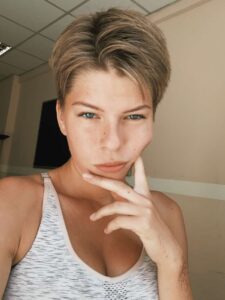
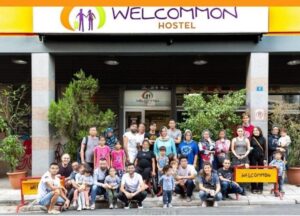
 I’m Lilian a 19 years old german girl and I stayed with a friend at the Welcommon Hostel in Athens for over one month participating in the European Solidarity Corps project “Green Social Innovation for young people”. The name Welcommon, fits perfectly to the philosophy of this amazing place. Welcommon means welcome in common. Related to the name the original idea of the Hostel is, that refugees, tourists, and volunteers are all welcome and live together at this wonderful place. During these five intense weeks I have met so many interesting and wonderful people, with different stories and unique backgrounds, from all over the world!
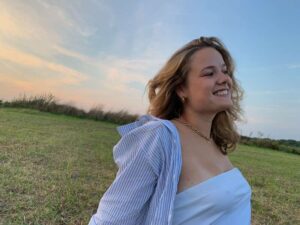 My friend and I found this beautiful project on a website called: workaway. Workaway is a great website, for travelers, where you can find different projects all over the world. We felt in love with the idea of the Hostel immediately and thought that this project fits perfect to our original dream to do something social and meaningful while traveling. To be completely honest I did not really had any expectations before coming to Greece, because it was my first volunteering project. I expected that the work would be more like typical Hostel work, for example staying at the reception or cleaning the rooms.
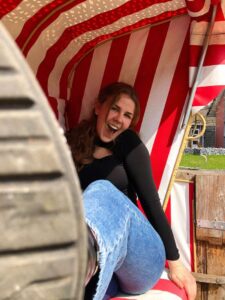 I just felt verry exited of the time at the hostel, the new people I will meet, the places I will visit and the new experience I will make. In the following I`m going on with my experience at the Welcommon Hostel
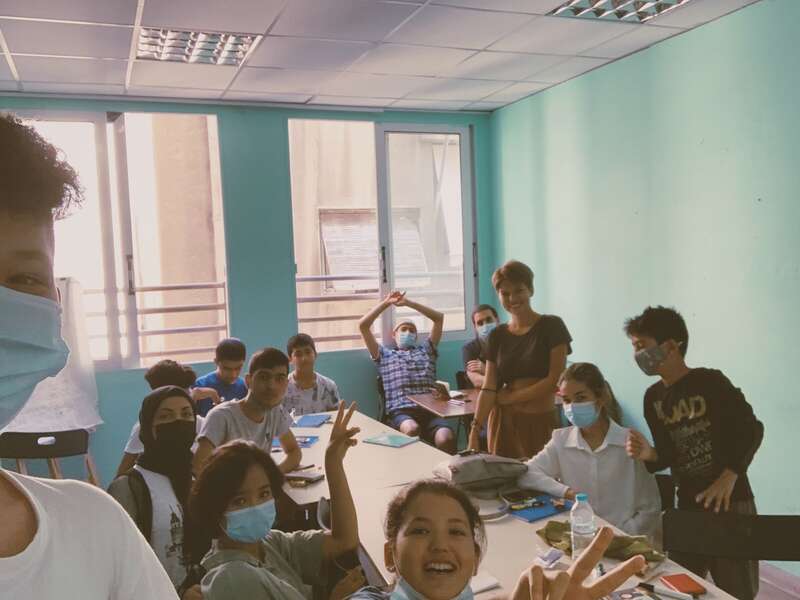
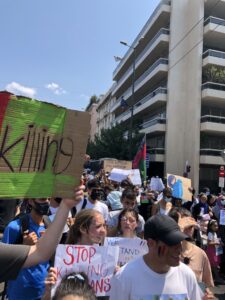 The time with our students was also verry intense and emotional, especially because of our talks about their individual background story’s. For example, many of the students are from Afghanistan and during our time at the Welcommon Hostel, the Taliban took over the country. During one class, our students invited us to a demonstration in Athens against the Taliban, which was so heartbreaking to see.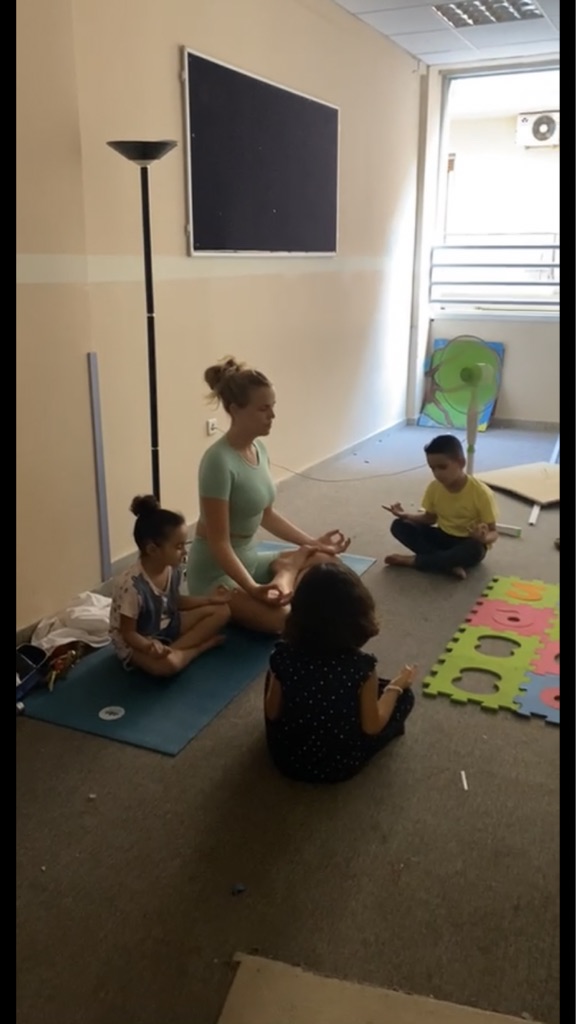
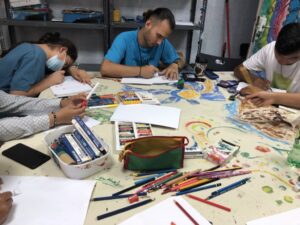 My very few expectations did vary from reality. There was not really a lot of ”hostel work“ for us to do, though we did stay at the reception in my last week, because there was a lot to do for the receptionists. Our main task was to give classes to everybody that would like to attend. I gave intermediate English, advanced beginner German and art classes and connected them with the task of environmental education asked for by the European Solidarity Corps project: some art classes consisted out of experiences of the students with climate change or pollution and how they felt about it. In the end we talked about what the causes are and how to reduce
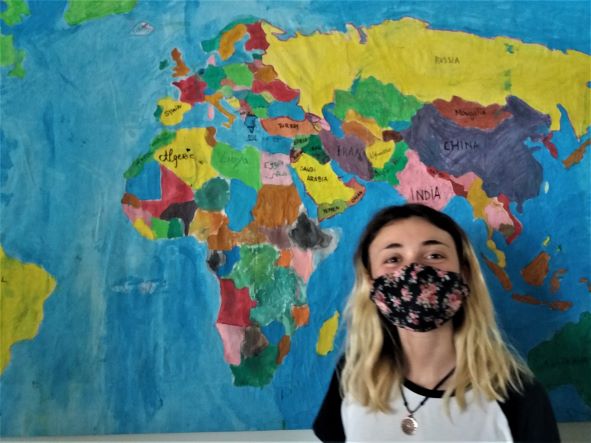
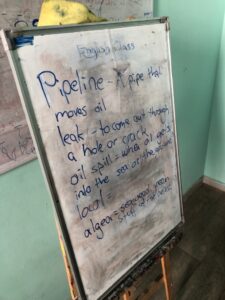 In my intermediate English class we also talked about environmental issues, for example the leak of the oil pipeline in the beginning of august in Trinidad, and how oil is harmful for the environment and the animals in the marine ecosystem. (some of the vocabulary is shown in the picture on the right on the next page) In my advanced beginner german class, I mostly did grammar and vocabulary, because there was no way we could have talked about environmental issues, because it still was a beginners class, so there was obviously a lack of vocabulary and grammar for this topic.
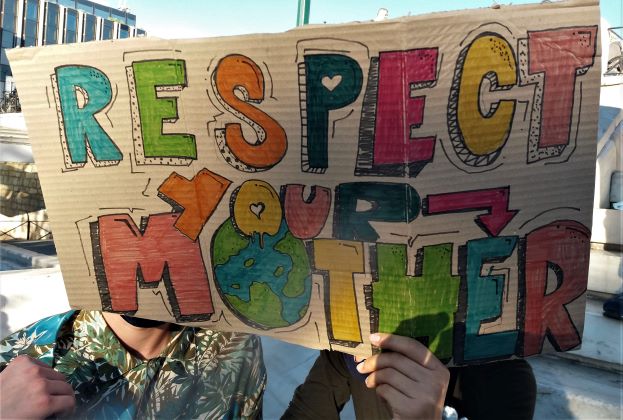
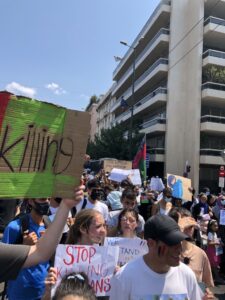 The most important and also the talks I remember most were the talks about Afghanistan in all my classes (mostly in my english intermediate class). To explain this a little further, during my stay at the hostel, the Taliban took over in Afghanistan, and with the backround of a majority of my students fleeing from Afghanistan, these were very emotional and touching talks we had in class. During my class, one of my students invited us to a demonstration in athens against the taliban, wich was also a super intense experience (picture to the left).
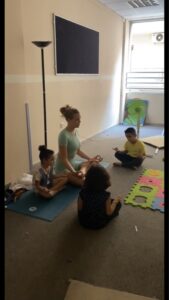 To be honest, the talks that I had at the hostel in general were the thing that made my experience so unique: I learned so much about different lifestyles, different cultures and experiences, that I have never experienced in my whole live, which also made me change my perspectives on everything. Also, the community we have had there was a huge part of me feeling super comfortable there: Not only my students or the loving and generous families at the hostel, but also the team of volunteers and workers at the hostel made my time super enjoyable. I have made super close friendships in such a short period of time, which made leaving super hard.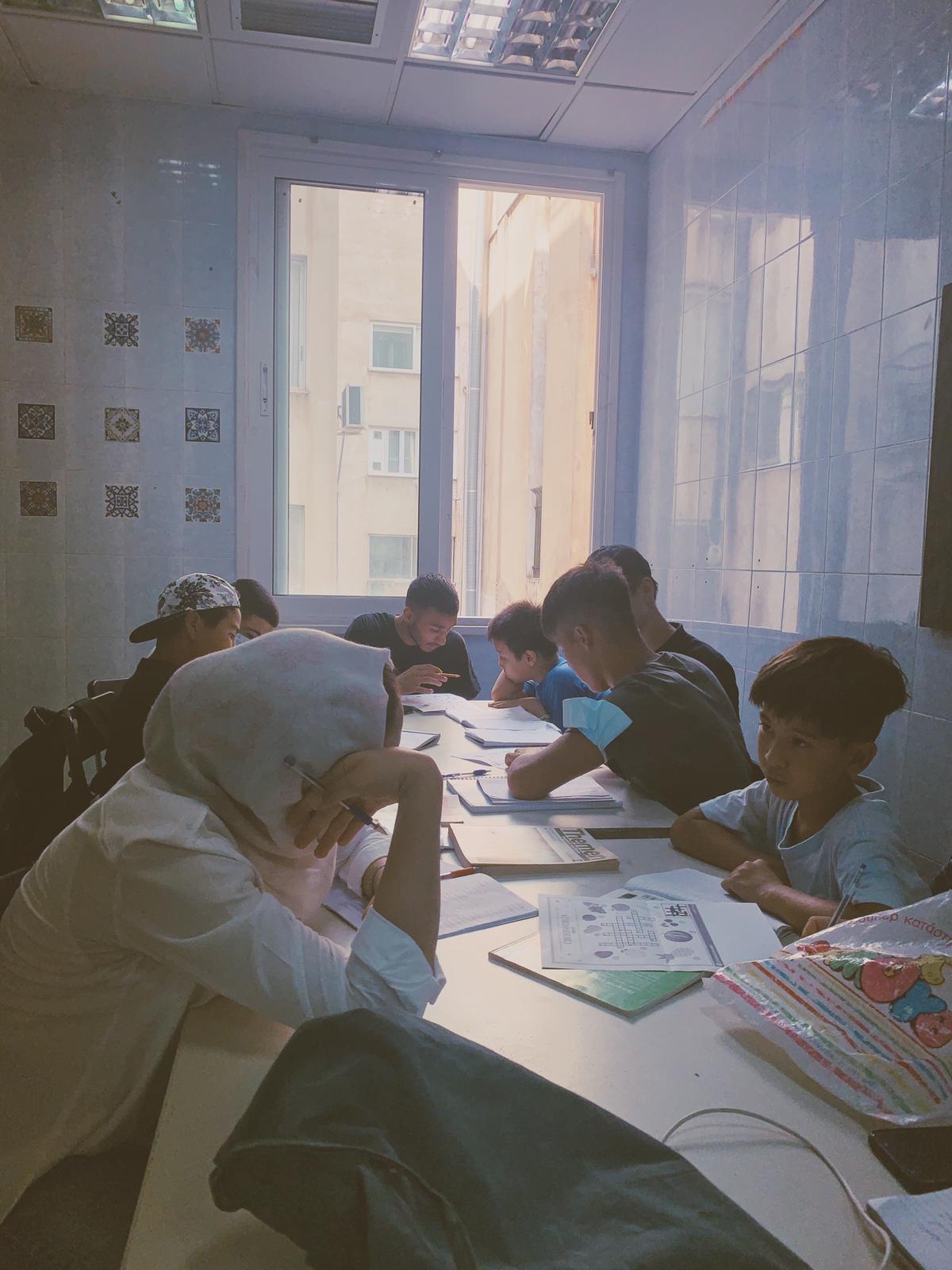
 I participated as a volunteer of
 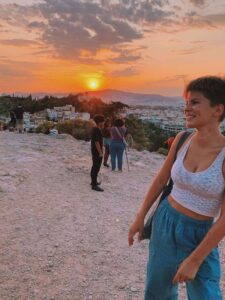 Of course everyday I learned more about different cultures – Afghanistan, German, Italian, French, USA, you name it, people were from all parts of the world. I made connections with so many different people and at some point, the hostel really started to feel like home. For my personal experience I learned how to be more organized, how to lead a group, how to deal with different situations and how to be a better teacher. On some evenings we also took kids, who live at the hostel, to the park. That teached me a lot about responsibility.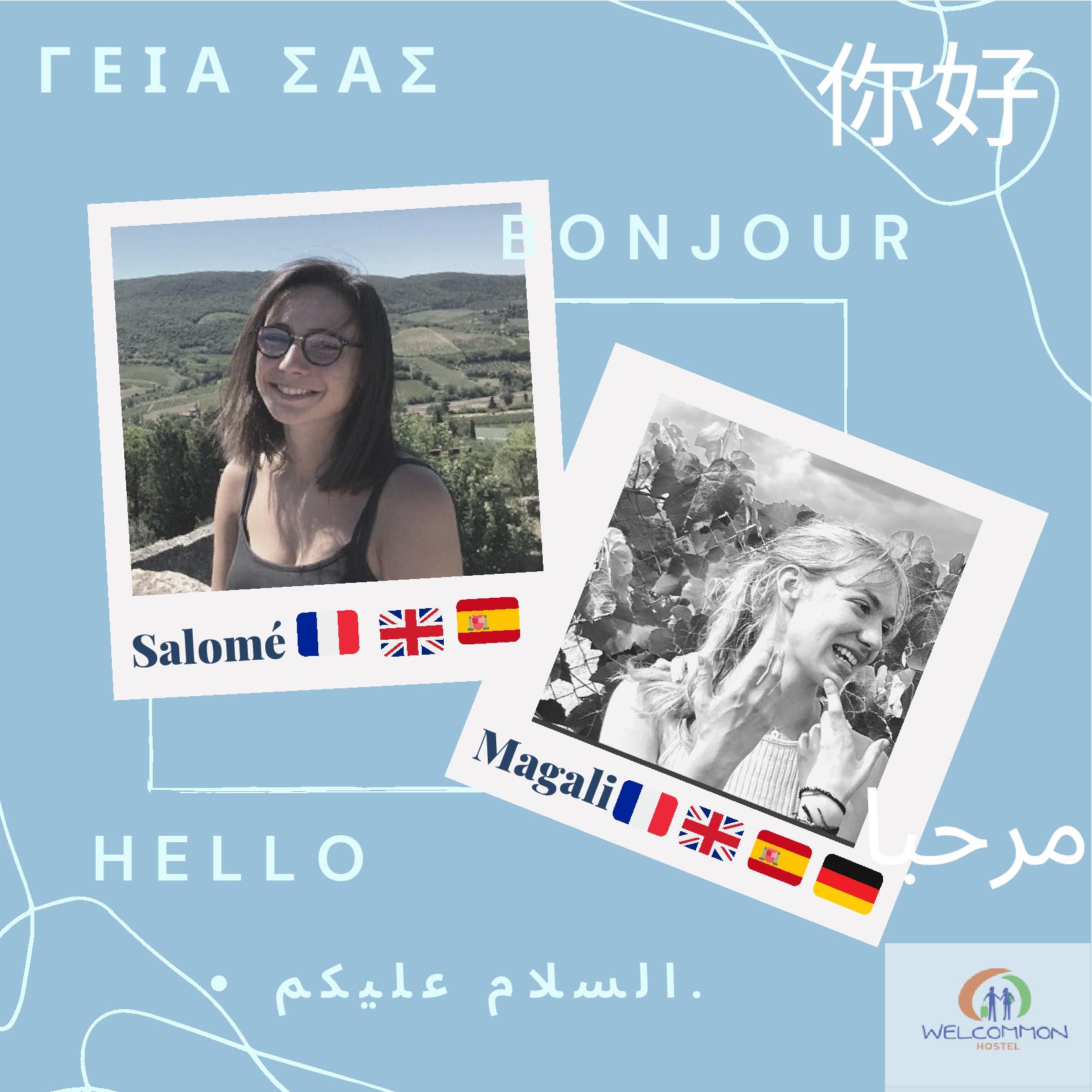
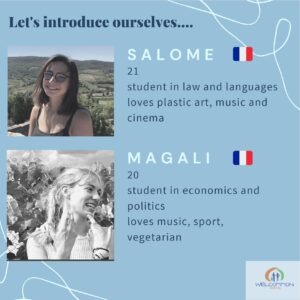
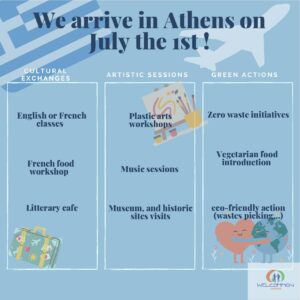
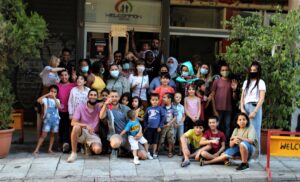 Greece, by way of its proximity with Turkey, is a passage country for millions of refugees coming from Asia and Africa and crossing the European border looking for a safe place to live. Women, men, children, families who ran away from war, oppression, hard life, find themselves piled up in camps, or sometimes in the urban jungle of Athens. In the middle of this, the Welcommon Hostel is a necessary transition place for refugees who are looking for a place to stay. It is a beautiful lab of multiculturalism and social exchange where meet volunteers, tourists, and refugees. The ecological conscience and the will of making the Welcommon Hostel an eco-responsible place through the work of the volunteers and the residents is also a part of the DNA of the hostel and the reason I decided to commit for 3 months and have this amazing experience.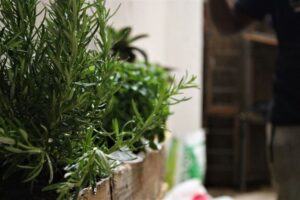
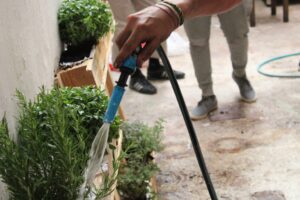
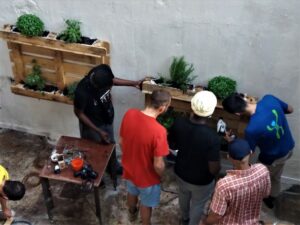
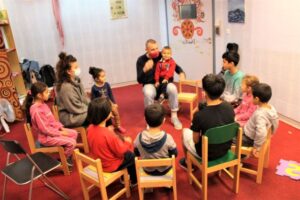
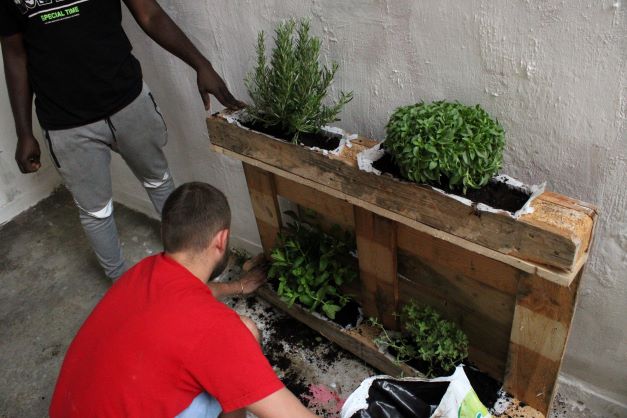
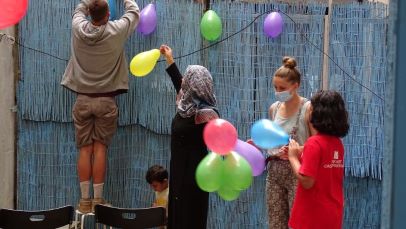
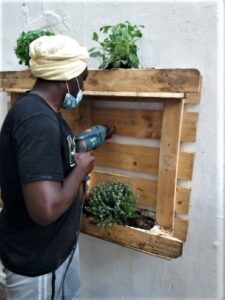 In addition to the classes, we organised many different workshops that could bring into light the skills owned by the residents and in our turn learn from them, in particular, with the cleaning and reorganisation of the backyard of the hostel. Indeed, knowing that summer and hot temperatures were coming back, we needed an outdoor place within the Welcommon Hostel to organise events, classes or simply to hang out.
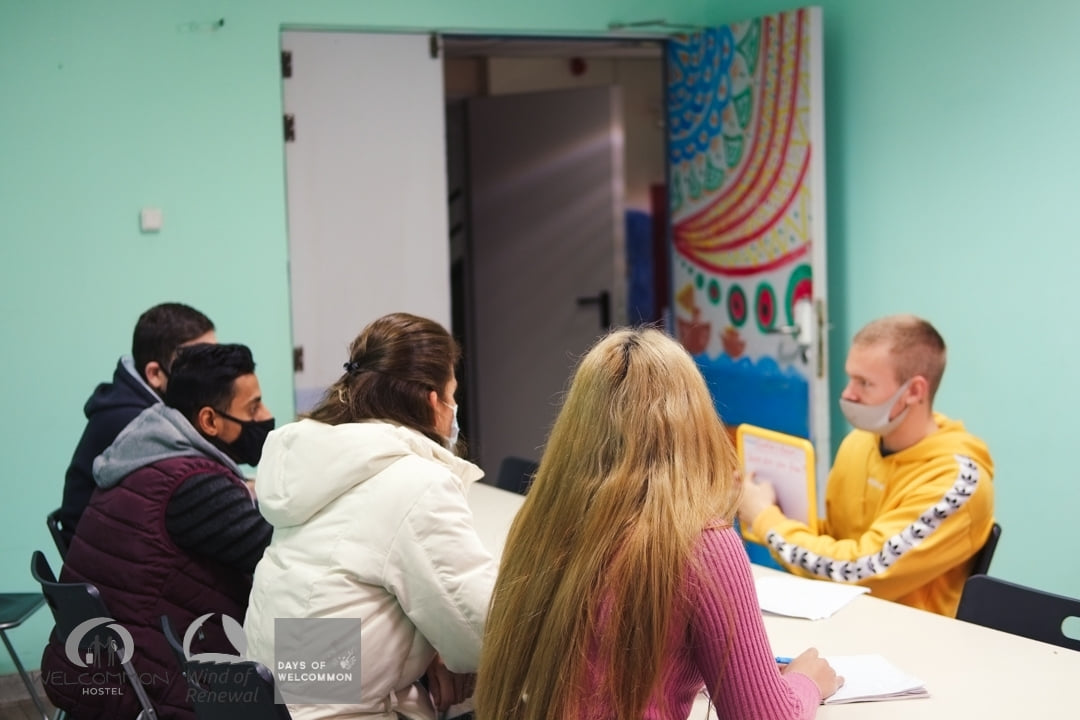
 I was a teacher for German, English, History and Sport. My students were refugees from inside and outside the hostel. In German and English I taught beginners as well as intermediate level students. The language classes were the main part of the classes because speaking a European language is very important for a lot of the refugees.

 For Christmas 2020 we organised also a small celebration for the kids. We decorated the whole ground floor, bought a Christmas tree and a personal gift for every child in the hostel. Through this, the residents could learn a little bit about the European culture and celebrations.
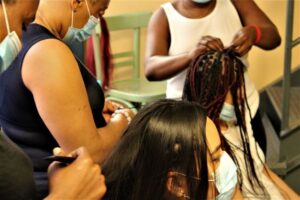
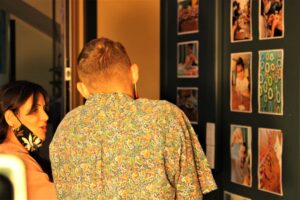
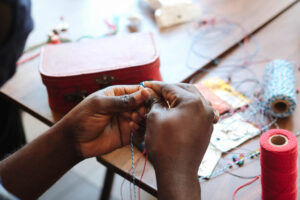
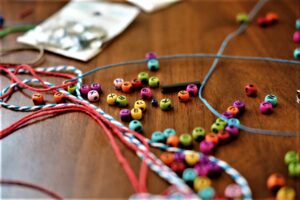
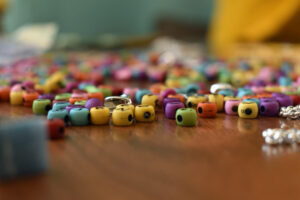
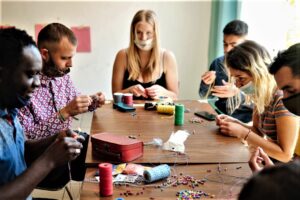
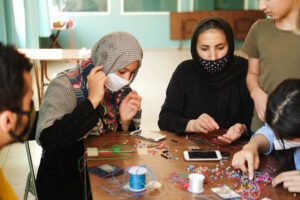
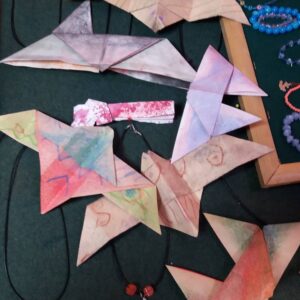
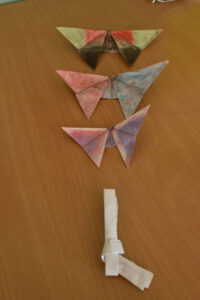
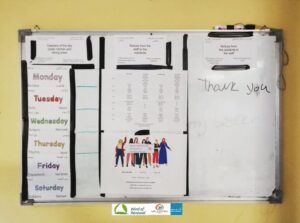 We organised also a cultural exhibition where we created first a workshop. In this workshop the residents could teach their different skills and knowledge they know from their previous education or from their home countries. In the end, we had workshops of sewing, jewellery, hair styling, origami and photography. In a final exhibition we presented the whole hostel all the work and celebrated together.
Recent Comments